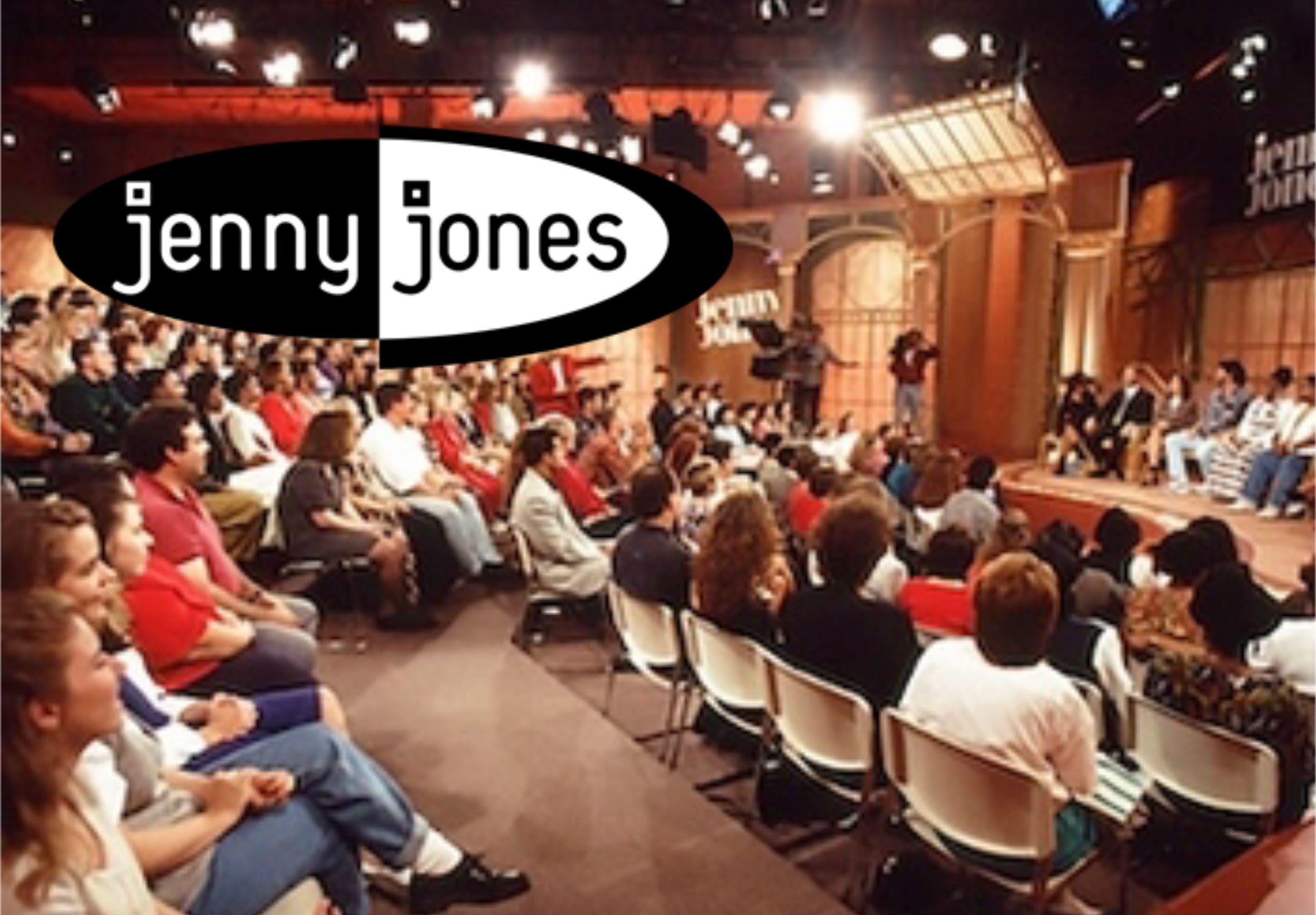
It was meant to be a lighthearted talk show segment about secret crushes when Jenny Jones revealed that Scott Amedure had a secret crush on a friend Jonathan Schmitz.
It was a show they had done multiple times before, and Jenny Jones had commented that she thought it was good for her show to include her gay fans. However, this time it was not the roaring success of other shows; it ended in tragedy when Schmitz shot Scott three days after the recording, saying he felt humiliated in public.
Before the show, both men led quiet everyday lives. So, how did a talk show turn one man into a killer?
Scott Amedure
Scott Bernard Amedure was born on 26th January 1963 in Pittsburgh, Pennsylvania. He was the youngest of six children, born to Frank Amedure and Patricia Graves. The family moved to Michigan shortly after Scott was born and divorced shortly after.
At seventeen, Scott dropped out of high school to join the army. He served in the Air Force for four years before returning to Michigan. He came out to his family whilst he was in the army; his family supported him. At this point in his life, he was a proud gay man and worked in the telecommunications industry for several years before becoming a bartender at Club Flamingo, a gay club in Pontiac, Michigan.
He was said to be well-liked in the bar and enjoyed the social life that went with it. His other great loves were talk shows, the more ridiculous the better, so he jumped at the chance of appearing on The Jenny Jones Show.
The Jenny Jones Show
On 6th March 1995, Scott was thirty-two and appeared on The Jenny Jones Show. The show was a staple of 1990s daytime talk shows.
It was known for its high-energy mix of lighthearted makeovers, paternity tests, and ‘out-of-control’ teen interventions. For British readers, think Jeremy Kyle.
Schmitz did not go into the show blindly. He agreed to appear on the show after being told a secret admirer would be revealed and that this admirer could be male or female. Schmitz identified as heterosexual and producers were aware of this.
Scott admitted his feelings for Schmitz, who had been an acquaintance for a while and lived close to him. Once the story was told and the pair came together, there was an awkward hug. Schmitz was clearly shocked, and we can presume there was little after-show support from what occurred next.
Murder
A friend reports that after the show the two men went out drinking and that an alleged sexual encounter occurred. Three days later, Scott left a suggestive note on Schmitz’s door. Schmitz bought a shotgun.
He travelled to Scott’s house, which was in suburban Detroit. He asked him if he had left the note at his house. When Scott smirked, he returned to his car, picked up the gun, and shot Scott twice in the chest.
He then drove to a nearby gas station and called 911, confessing to the killing and telling police he had been embarrassed by the public revelation. He was arrested and charged with first-degree murder.
Trial and Lawsuits
In 1995, Scott’s family filed a wrongful death lawsuit against the show and its partners, including Warner Bros. In a landmark 1999 decision, a jury found the show’s producers negligent and awarded the Amedure family $25 million.
However, this was not the final word. In 2002, the Michigan Court of Appeals overturned the verdict, ruling that while the show’s conduct may have been in ‘bad taste,’ the producers were not legally responsible for the homicidal acts of a guest.
Schmitz had previously been diagnosed with manic depression. During the trial, his defence team cited mental health issues and involved the ‘gay panic’ defence. It was a controversial strategy that attempted to justify violence by framing a same-sex advance as a provocation.
While used in 1995, this legal strategy has since been widely condemned. As of 2026, the ‘gay and trans panic’ defence has been banned in over 20 US states, including Michigan, which passed legislation to prohibit its use in 2024.
In the criminal courts, Schmitz was sentenced to between twenty-five and fifty years in prison after being convicted of second-degree murder in 1996. That conviction was overturned on appeal in 1999 due to a jury selection error, but he was found guilty again at a retrial later that year. He served twenty-two years, being released in 2017.
The episode featuring Scott was never aired, but it has been viewed as it was used as evidence in court. Jenny Jones also testified during the trial, saying she had little input into the ambush.
On Schmitz’s release, Scott’s brother stated that it was hard to see his brother’s killer released, especially as he had so much of his life ahead of him. He did, however, state:
But there’s a side of, at least me and maybe some of my family members, that we do feel he was victimized in all of this, and so we can empathize with all of that.
Show Ethics
This event sparked intense national debate over the ethics of ‘ambush television’ and forever changed the legacy of the program, casting a long shadow over its remaining years on the air until its cancellation in 2003. However, Jones and her producers defended the show, saying it was a light-hearted episode and they had never had this problem before with similar episodes.
The event, however, did not change other shows that worked on this format for entertainment. The Jeremy Kyle Show, mentioned earlier, was cancelled in May 2019 after the death of guest Steve Dymond. He committed suicide shortly after failing a lie-detector test on the show.
How responsible was The Jenny Jones Show? Writing for The Buffalo News, attorney Alan Dershowitz said he believed that Jones and her producers were more than just negligent in their behaviour.
Jenny Jones should not take any solace from the legal conclusion that her show’s conduct does not excuse Schmitz’s conduct. The First Amendment protects the show from any legal consequences, but it does not immunize them from the criticism, which they justly deserve, for their irresponsible actions.
Jones has rarely spoken about the incident throughout the years. However, she did have one thing to say in 1999, saying that the only person ultimately to blame was Jonathan Schmitz. Do you agree?
Be sure to check out our deep dive article on Monday, when we look at how one network made a program out of suicide.
Until next Wednesday: Stay safe, stay curious.


